North Texas Housing Market 2026: What's Really Happening in McKinney, Melissa, Celina & Beyond
The North Texas housing market is about to look nothing like it does today. I'm not saying that to get your attention, I'm saying it because my team and I spent weeks pulling city data, builder pricing, and Collin County tax records across McKinney , Melissa , Celina , Anna , Prosper , Van Alstyne , and Frisco , and we found seven things happening right now that will change how this market actually works.
You've probably seen a headline this year telling you the Dallas housing market is cooling off. The problem is there's no single Dallas housing market. There are dozens of them, and they're moving in completely different directions. When you average all of those into one number, you get a number that doesn't describe the actual house.
I'm Connor Hornsby, your North Texas realtor. I walk model homes across most of these communities every single day, and the pricing gap between them changes month to month. National reporters look at one metro-wide number. I'm looking at what builders in each corridor are actually pricing this month. Once you separate those markets out, you start seeing the shifts underneath, and some of them will cost you real money if you don't know they're coming.
In this article, I'm going to walk you through what's actually happening in McKinney , Melissa , Celina , Anna , Prosper , Van Alstyne , Frisco , and Farmersville right now. I'll show you the real numbers, the builder competition resale sellers are facing, the tax districts that can add hundreds to your monthly payment, and the road decisions being made right now that will do more to your home's value over the next decade than anything else on this list.
Table of Contents
- McKinney: Mixed Market with Builder Competition
- Melissa: Lower Entry Price, Longer Commute
- Celina: West Side Growth with Lagoons and Trails
- Anna: Lower Purchase Price, Higher Tax Districts
- Prosper: Higher Pricing, Closer to Job Corridors
- Van Alstyne: Significant Savings, Significant Commute
- Frisco: Established Infrastructure, Higher Cost
- Farmersville: Acreage Properties with No HOA
- How to Choose Between These North Texas Cities
- Conclusion
McKinney: Mixed Market with Builder Competition
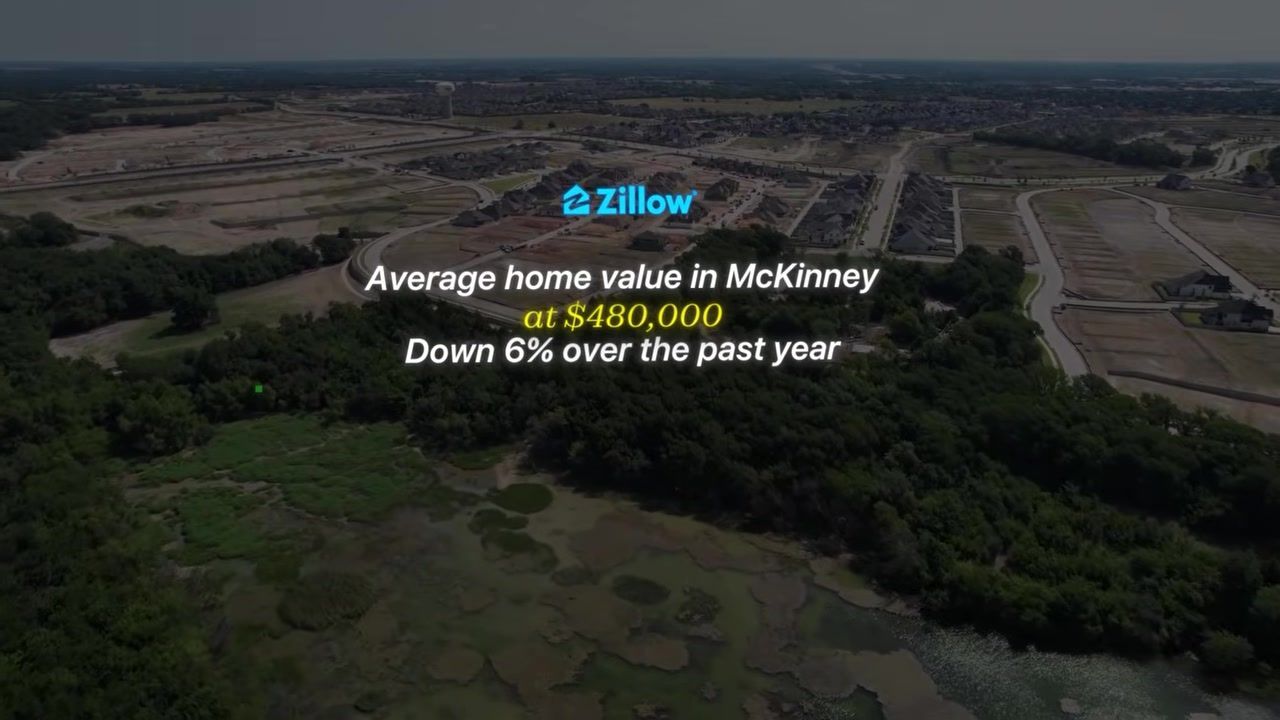
Zillow has the average home value in McKinney at $480,000, down 6% in the past year, with that data updated from July 21st, 2026. Values down 6%. Homes under contract in about a month. A truly weak market does not move homes in 30 days. So what is actually happening here?
McKinney has more than 30 years of resale homes in it. Older neighborhoods east of 75, newer sections on the west side, and brand new construction pushing out past that. When you average all of that into one number, you get a number that doesn't describe the actual house. I've seen homes in McKinney listed at $350,000, and they're moving despite the fact that the overall average is down.
Here's the thing that hurts if you're selling a resale home in McKinney right now: you cannot buy down a buyer's rate the way the builder can. You are not actually competing on price with the guy down the street. You're competing on the payment the builder three miles up the road is offering. With interest rates over 7% right now, builders are spending their money buying down your interest rate instead of dropping the sticker price. That means they pay the lender upfront, you get a lower rate for the first few years (sometimes for the life of the loan), your purchase price stays the same, and your payments drop.
For example, if I purchase a home in McKinney right now at $350,000 at a 7.25% interest rate compared to a McKinney home at $350,000 at a fixed 4.99% interest rate that the builder paid down to get to you, you're going to be saving hundreds of dollars a month with that new construction home. Just because that builder quoted you the 4.99% fixed rate doesn't mean that monthly payment is going to be lower once you factor in extra tax bonds like PID and MUD.
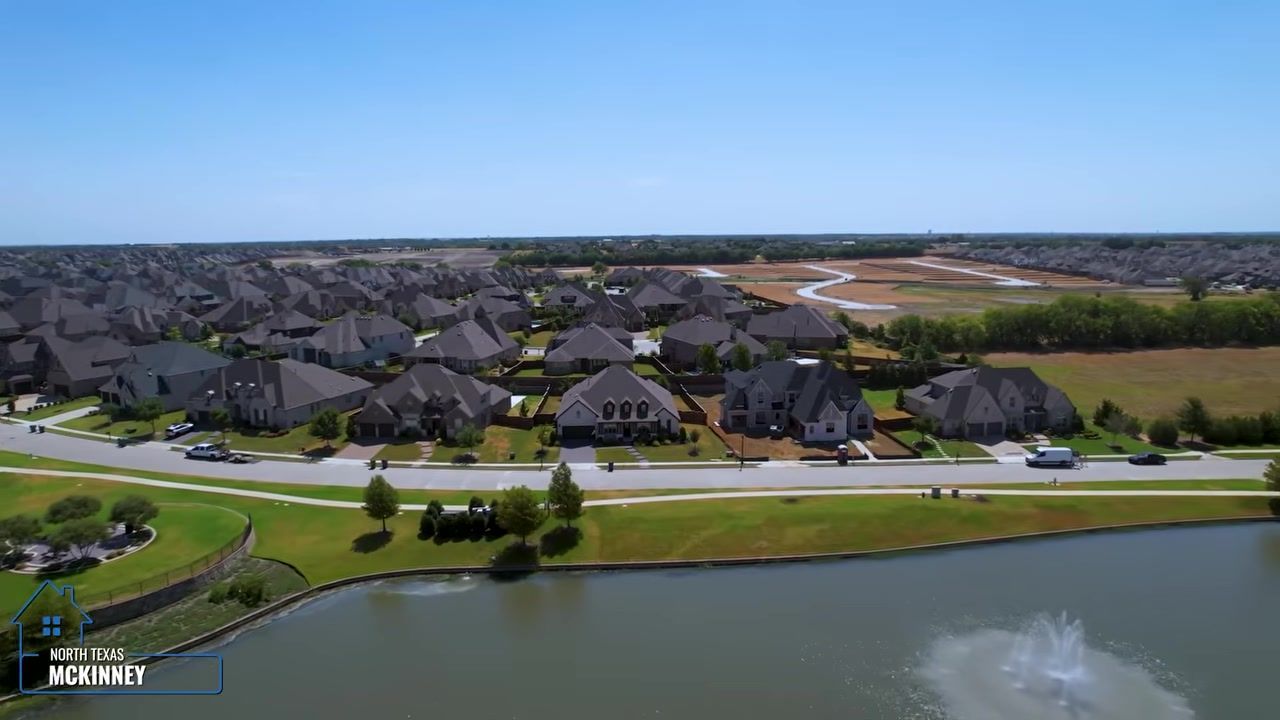
Per Redfin, in November 2025, homes in McKinney were taking around 64 days to sell compared to 57 days the year before. Sales went down slightly to 190 homes sold that month versus 203 the year earlier. That's not a crash, but it's a real change in pace, and it changes how you have to price things right now. The tax rate in McKinney sits around 1.75%, which is competitive for Collin County . Ten years ago, McKinney was considered the edge of the metro. That's not remotely true anymore.
In the finished sections of McKinney , resale sellers have a much easier time because no builder is competing against you. In the newer sections still building out, you're competing with builder incentives on the next street over, rate buydowns, washer, dryer, blinds, refrigerator all included, plus new warranties. Before we set a price on a resale home, I go look at what the builders in your area are actually offering that month. Their incentives change constantly and they move your buyer's payment more than a $10,000 price cut would.
Melissa: Lower Entry Price, Longer Commute
Melissa sits north of McKinney on Highway 75, and it's where the growth line has been marching for the past few years. McKinney filled in, then Melissa , then Anna . A huge share of sales in Melissa is brand new construction, which means when a builder there releases a smaller floor plan at a lower starting price, the median price in that city drops. Nobody's home lost value. The builder just changed what they're selling.
New construction in Melissa starts lower than McKinney or Prosper . Same builder, same floor plan can be hundreds less monthly. That's the trade: every 10 minutes north usually buys you more house for the same money or more land. The catch people don't think about until they've actually moved in is your commute. Say you're driving to Plano, Richardson, or North Dallas most days. The gap between McKinney and Melissa is real time out of your week.
Many communities in Melissa are still building out, which means resale sellers there are competing with the builder on the next street over. That builder is offering brand new homes with builder incentives attached, lower interest rates, washer, dryer, blinds, refrigerator all included. Put yourself in the buyer's shoes. They can buy your three-year-old home or they can go buy a brand new one from that builder with their own finishes, get the new warranties, and get the new incentive rates that they're offering now. That's a tough spot to sell in.
MUD and PID tax districts are common in new communities in Melissa , and they can add significant monthly cost. Before you get attached to a house, ask the builder for the total tax rate on that exact address. Then ask straight out whether the community sits in a MUD or PID district. Then go verify it on the Collin Central Appraisal District site yourself. I do that on every single new construction deal I write to double check. It takes 10 minutes and it saves my buyers real money.
If you're planning to sell within five to ten years, ask how many sections are still left to build before you buy. If they're almost completed with that phase and they have no more phases left, it may be a good buy for you because you could possibly sell it without builder competition. However, if you're not planning on being in that community for five to ten years and the builder still has multiple phases to go, I would highly think about the numbers and what your ultimate goal is with living in that community.
Celina: West Side Growth with Lagoons and Trails
Celina is the west side growth corridor north of Prosper , and it's where the same pattern that happened through Frisco into Prosper is now playing out. On the west side, the growth line went Frisco filled in first, then Prosper , now Celina . New construction in Celina starts lower than McKinney or Prosper , which is why buyers are absolutely willing to buy further north if the price makes sense.
Some communities in Celina have lagoons and miles of trails. You're paying for amenities, and sometimes you're happy to. But you have to know what you're paying for before you sign the dotted line. A huge share of sales in Celina is brand new, and the median price is affected by builders releasing smaller floor plans. That doesn't mean values are dropping, it means the builder changed what they're selling.
Many communities in Celina are still building out with ongoing builder competition. If you're selling a resale home there, understand that this is your competition now. Buyers can drive two minutes down the road, walk into a model home, and see a brand new house with builder incentives attached. MUD and PID districts are common in Celina , and they can add hundreds per month to your payment. Ask the builder for the total tax rate on that exact address, then verify it yourself.
The 380 corridor and tollway extensions north of Celina will impact future commutes and values. Those alignment decisions are being made right now in city council meetings and highway alignment maps most buyers never see. Those decisions determine which side of the road becomes a commercial corridor and what side stays quiet residential. They decide whether your commute drops by 20 minutes or stays exactly where it is currently. That's the research I'm doing every month because there's so many changes right now.
If you're buying in Celina , this is a reason to look hard at the finished sections of the neighborhood, not just the newest ones. In communities that are fully built out, no builder is competing against you. Resale sellers there have a much easier time. If you're selling in Celina right now and the builder is still selling brand new homes in the same exact neighborhood, sometimes on the next street over, you need to price accordingly.
Anna: Lower Purchase Price, Higher Tax Districts
Anna sits north of Melissa on Highway 75, and it's where the growth line has kept marching. McKinney filled in, then Melissa , then Anna . Now Van Alstyne is getting real attention from buyers who would have never looked that far out before. A huge share of sales in Anna is brand new construction, and new construction there starts lower than McKinney or Prosper , sometimes 20% less than a McKinney resale.

Here's the catch: PID districts in Anna can add $3,500 or more per year in taxes. I had a buyer relocate here from California, and they were looking in McKinney . Going resale versus new build. McKinney's tax rate sits around 1.75%. I had that buyer go to another community in Anna and look at properties that were about 20% less than the resale, and they got a fixed interest rate at 4.99%. Problem though is it was in a PID district, so that 1.75% actually turned into about 2.5%. So the numbers actually didn't match up. Yes, they got the incentive packages, but they also had to pay an extra $3,500 a year in that PID tax bond.
Every 10 minutes north usually buys you more house for the same money or more land. That's the trade. But the gap between McKinney and Anna is real time out of your week if you're driving to Plano, Richardson, or North Dallas most days. Builder rate buydowns are common in Anna , 4.99% fixed versus 7.25% market, and they save hundreds monthly. But you have to verify the total payment with PID and MUD taxes included.
Many communities in Anna are still building out, which means resale sellers there are competing with the builder on the next street over. Ask how many sections are still left to build before you buy. If they're almost completed with that phase and they have no more phases left, it may be a good buy for you because you could possibly sell it without builder competition. However, if you're not planning on being in that community for five to ten years and the builder still has multiple phases to go, think hard about the numbers and what your ultimate goal is.
Buyers now shop by monthly payment, not purchase price. I'll get on a call with somebody moving from California or Colorado or Washington and they don't tell me a purchase price anymore. They tell me they need a monthly number. They say, Connor, I need to stay around $2,800 a month. That's the whole brief. Builders out here figured that out before most agents did. So instead of dropping the sticker price, a lot of builders now spend their money buying down your interest rate. Your purchase price stays the same and your payments drop.
Prosper: Higher Pricing, Closer to Job Corridors
Prosper sits on the west side between Frisco and Celina , and it's where the growth line went after Frisco filled in. New construction in Prosper is higher than Anna , Melissa , or the Farmersville corridor for the same builder. You're paying for proximity to job corridors. Prosper is closer to Plano, Richardson, and North Dallas than Celina or the communities further north, but it's more expensive.
The west side growth went Frisco filled in first, then Prosper , now Celina . Tollway extensions north of Prosper will impact future commutes and values. Those alignment decisions are being made right now, and they will do more to your home's value over the next decade than anything else on this list. Think about what happened to Frisco when North Dallas Tollway pushed north. Land that was farmland became some of the most valuable real estate in the entire state. That was not luck. That was a road.
If you're selling in Prosper , understand that buyers are absolutely willing to buy further north if the price makes sense. Your competition is not just the neighbor down the street. It's the builder three miles north in Celina offering brand new homes with builder incentives attached. Before we set a price on a resale home in Prosper , I go look at what the builders in Celina and further north are actually offering that month. Their incentives change constantly and they move your buyer's payment more than a $10,000 price cut would.
If you're buying in Prosper , you're paying for established infrastructure and proximity to job corridors. You're also paying more than you would in Celina , Anna , or Melissa for the same square footage. That's the trade. Every 10 minutes north usually buys you more house for the same money or more land. Every 10 minutes south usually costs you more but saves you commute time.
Van Alstyne: Significant Savings, Significant Commute
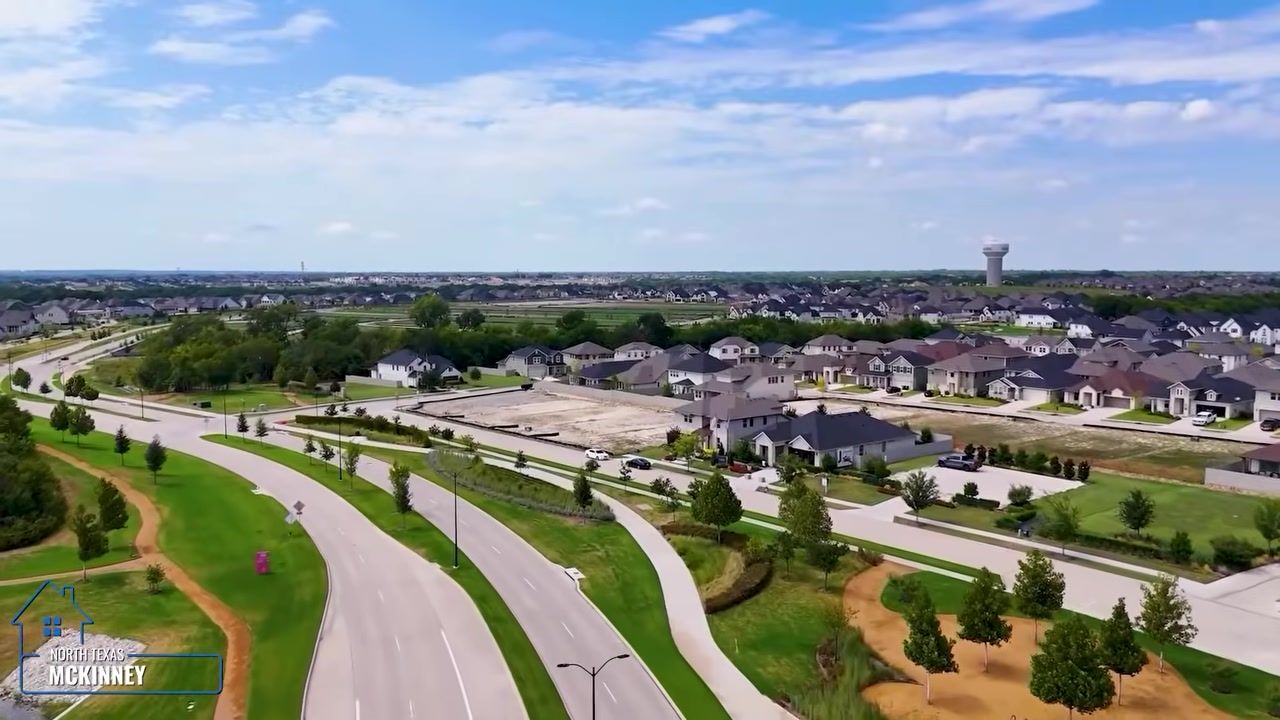
Van Alstyne sits north of Anna , and it's getting real attention from buyers who would have never looked that far out before. Ten years ago, McKinney was considered the edge of the metro. Now Van Alstyne is on the map for buyers who are willing to trade commute time for purchase price. Buyers can save $60,000 or more on the purchase compared to McKinney . More land is available in Van Alstyne than in the communities further south.
Here's the catch: the commute to Plano, Richardson, or North Dallas is much longer, 30 minutes or more each way. I've had buyers save $60,000 on the purchase. A year later, they told me they'd pay it back to get the 30 minutes of commute back daily. The gap between McKinney and Van Alstyne is real time out of your week. That's the trade you're making.
Every 10 minutes north usually buys you more house for the same money or more land. That's absolutely true in Van Alstyne . But you have to be honest with yourself about whether you're willing to make that commute every single day. Some buyers are. Some buyers regret it a year later. I'd rather you know now than find out years later.
Buyers wanting acreage are now heading east and north to Farmersville , Blue Ridge, out around Van Alstyne and north of there. Five years ago, nobody was searching out there. Now they are. Acreage properties are more common in Van Alstyne than in the communities further south. You've got the room to actually spread out. You want to put in a pool, build a shop, put a batting cage in the backyard. You want to not have somebody tell you what color your front door can be. That's a real lifestyle and nobody is making more land out here.
If you're buying in Van Alstyne , understand that this is a different transaction from buying a house in a subdivision. You need to know where you're getting water, city water or well. You need to know if it's septic and what condition that septic system is in. You need to know about the road frontage, easements, and whether the land actually drains. None of that shows up on the listing photos on Zillow. That inspection is not optional out here.
Frisco: Established Infrastructure, Higher Cost
Frisco sits on the west side south of Prosper , and it's where the growth line filled in first. New construction in Frisco is higher than communities further north. You're paying for established city infrastructure. Frisco has the roads, the schools, the shopping, the amenities already in place. You're not waiting for the city to build out around you.
The west side growth went Frisco filled in first, then Prosper , now Celina . Think about what happened to Frisco when North Dallas Tollway pushed north. Land that was farmland became some of the most valuable real estate in the entire state. That was not luck. That was a road. The same decisions are being made right now around the 380 corridor and the tollway extensions north of Prosper and Celina .
If you're selling in Frisco , understand that buyers are absolutely willing to buy further north if the price makes sense. Resale sellers in Frisco are competing with builders in Prosper and Celina offering brand new homes with builder incentives attached. Before we set a price on a resale home in Frisco , I go look at what the builders further north are actually offering that month. Their incentives change constantly and they move your buyer's payment more than a $10,000 price cut would.
If you're buying in Frisco , you're paying for proximity to job corridors and established infrastructure. You're also paying more than you would in Prosper , Celina , Anna , or Melissa for the same square footage. That's the trade. Frisco is closer to Plano, Richardson, and North Dallas than the communities further north, but it's more expensive. Every 10 minutes north usually buys you more house for the same money or more land. Every 10 minutes south usually costs you more but saves you commute time.
Farmersville: Acreage Properties with No HOA
Farmersville sits east of the McKinney and Anna corridor, and it's where buyers wanting acreage are now heading. Five years ago, nobody was searching out there. Now they are. A few years ago, you could find an acre with a house on it, no HOA, within reasonable driving distance of McKinney . Now those listings are genuinely rare, and when one shows up in decent shape, it gets attention quickly.
New construction in Farmersville starts lower than McKinney or Prosper . Many properties in Farmersville have no HOA, which means you've got the room to actually spread out. You want to put in a pool, build a shop, put a batting cage in the backyard. You want to not have somebody tell you what color your front door can be. That's a real lifestyle and nobody is making more land out here.
Buying acreage is a completely different transaction from buying a house in a subdivision. You need to know where you're getting water, city water or well. You need to know if it's septic and what condition that septic system is in. You need to know about the road frontage, easements, and whether the land actually drains. None of that shows up on the listing photos on Zillow. I've walked properties out that way and the house was perfect, then the septic situation would have cost the buyers a fortune to fix. That inspection is not optional out here.
If you're selling acreage in Farmersville right now, you're in a decent position. Supply keeps shrinking while demand keeps pushing outward. Buyers wanting acreage are now heading east and north to Farmersville , Blue Ridge, out around Van Alstyne and north of there. Acre lots with houses, no HOA, within reasonable distance of McKinney are now rare. When one shows up in decent shape, it gets attention quickly.
The commute from Farmersville to Plano, Richardson, or North Dallas is longer than from McKinney or Prosper . That's the trade you're making. Every 10 minutes north or east usually buys you more house or more land for the same money. But the gap is real time out of your week if you're driving to job corridors most days. I'd rather you know now than find out a year later.
How to Choose Between These North Texas Cities
Picking between McKinney , Melissa , Celina , Anna , Prosper , Van Alstyne , Frisco , and Farmersville is generally the hardest part of moving out here, and it's the question I get more than any other. Get that wrong and you're either sitting in traffic for an extra hour a day or you're paying $80,000 more than you needed to for the same square footage two exits up.
Here's how I walk buyers through it. Two houses, same builder, same floor plan, same price, and one of them costs a few hundred dollars more per month in taxes. This is the part of buying in North Texas that catches relocating buyers completely off guard, and honestly, it's the thing I spend the most time on. It comes down to three letters: MUD or PID. MUD is a Municipal Utility District. A developer builds a brand new community on land with no water or sewer lines running to it. Somebody has to pay for that infrastructure, so they set up a district and the homeowner inside it pays an extra tax to cover it. A PID is a Public Improvement District. Same idea, except it usually pays for the roads, entry monuments, homes, trails, lakes, and amenity stuff.
Neither one is automatically bad. Sometimes you're paying for a community with a lagoon and miles of trails, and you're happy to. But you have to know this before you sign the dotted line. A buyer compares two homes on Zillow, sees the same asking price, and picks one with a nicer kitchen. Then at closing, they find their tax rate is higher and their payment is more than what they budgeted for. And that follows them for a very long time as they own the home.
Ask the builder for the total tax rate on that exact address. Then ask straight out whether the community sits in a MUD or PID district. Then go verify it on the Collin Central Appraisal District site yourself. I do that on every single new construction deal I write to double check. It takes 10 minutes and it saves my buyers real money.
Here's what to consider when choosing between these cities:
- Choose McKinney if you want a mix of established neighborhoods and newer construction, a tax rate around 1.75%, and a commute to Plano or North Dallas that's manageable. Understand that resale sellers in newer sections compete with builder incentives nearby.
- Choose Melissa if you want lower entry pricing than McKinney and you're willing to add 10 minutes to your commute. Ask about MUD and PID districts before you buy, and verify how many sections the builder has left to build.
- Choose Celina if you want west side growth with amenities like lagoons and trails, lower entry pricing than Prosper, and you're willing to wait for infrastructure to build out. Watch the 380 corridor and tollway extensions, they'll determine your commute and your home's value.
- Choose Anna if you want the lowest entry pricing on the 75 corridor and you're willing to add 15-20 minutes to your commute. Verify the total tax rate including PID districts, which can add $3,500 or more per year.
- Choose Prosper if you want proximity to job corridors and you're willing to pay more for it. You're closer to Plano, Richardson, and North Dallas than Celina or the communities further north, but you're paying for that proximity.
- Choose Van Alstyne if you're willing to trade a 30-minute commute each way for $60,000 or more in purchase price savings. More land is available here, but the commute is real. Some buyers are happy with that trade. Some regret it a year later.
- Choose Frisco if you want established infrastructure and you're willing to pay more for it. Frisco filled in first, so you're not waiting for the city to build out around you. You're also paying more than communities further north.
- Choose Farmersville if you want acreage, no HOA, and room to spread out. Understand that this is a different transaction requiring septic, well, drainage, and easement verification. Supply is shrinking while demand is pushing outward.
The difference between two houses in this market is almost never the house. It's the tax district, the builder competition, the build-out timeline, and where that next road is going. Get one of those wrong and it costs you real money. That's a buyer paying an extra $400 a month in MUD tax they never budgeted for, or a seller sitting on the market for five months because the builder up the street is still selling brand new homes.
Conclusion
The North Texas housing market isn't one market, it's dozens of them, and they're moving in completely different directions. National reporters look at one metro-wide number. I'm walking model homes, looking at what builders in each corridor are actually pricing this month. Once you separate those markets out, you start seeing the shifts underneath.
Buyers now shop by monthly payment, not purchase price. Builders are buying down interest rates instead of dropping sticker prices. Resale sellers are competing with builder incentives they cannot match. MUD and PID districts can add hundreds per month to your payment. Communities still building out mean resale sellers compete with the builder on the next street over. Acreage supply is shrinking while demand is pushing outward. And the road decisions being made right now will do more to your home's value over the next decade than anything else on this list.
If you're moving to North Texas or thinking about selling, grab my relocation guide. It breaks down every one of these cities side by side, price changes, commute times to Plano and North Dallas job corridors, and how the tax situation differs between them. Or book a 30-minute call with me. I'll run your actual monthly numbers with you city by city, including the tax rate on the specific community you're looking at. I'm Connor Hornsby, your North Texas real estate agent , and I look forward to seeing you in North Texas .
FAQ
What is the average home price in McKinney Texas?
Zillow has the average home value in McKinney at $480,000 as of July 2026, down 6% year-over-year. That number averages more than 30 years of resale homes, older neighborhoods east of 75, newer sections on the west side, and brand new construction pushing out past that. Homes in McKinney are under contract in about a month despite the price decline, which tells you the market is still moving.
What are MUD and PID taxes in North Texas?
MUD is a Municipal Utility District that pays for water and sewer infrastructure in new communities. PID is a Public Improvement District that pays for roads, entry monuments, trails, lakes, and amenities. Both add an extra tax to your monthly payment. I had a buyer look at a home in Anna that was 20% less than a McKinney resale, but the PID district raised the tax rate from 1.75% to 2.5%, adding $3,500 per year. Ask the builder for the total tax rate on that exact address, then verify it yourself on the Collin Central Appraisal District site.
Should I buy new construction or resale in North Texas?
It depends on the numbers and where the builder is in the build-out. New construction offers rate buydowns (4.99% fixed versus 7.25% market), washer, dryer, blinds, refrigerator, and new warranties. Resale sellers cannot match those incentives. But if you're buying in a community that's still building out, you'll compete with the builder on the next street over when you go to sell. Ask how many sections are left to build before you buy. In communities that are fully built out, resale sellers have a much easier time because no builder is competing against you.
How much does the commute matter when choosing between McKinney, Melissa, Celina, and Anna?
Every 10 minutes north usually buys you more house or more land for the same money. That's the trade. But the gap between McKinney and Van Alstyne is real time out of your week if you're driving to Plano, Richardson, or North Dallas most days. I've had buyers save $60,000 on the purchase by going to Van Alstyne . A year later, they told me they'd pay it back to get the 30 minutes of commute back daily. Be honest with yourself about whether you're willing to make that commute every single day before you buy.
What should I know before buying acreage in Farmersville or Van Alstyne?
Buying acreage is a completely different transaction from buying a house in a subdivision. You need to know where you're getting water (city water or well), whether it's septic and what condition that septic system is in, road frontage, easements, and whether the land actually drains. None of that shows up on the listing photos on Zillow. I've walked properties where the house was perfect, then the septic situation would have cost the buyers a fortune to fix. That inspection is not optional out here.
How do I know if a North Texas community is still building out?
Ask the builder how many sections are still left to build. If they're almost completed with that phase and they have no more phases left, it may be a good buy because you could possibly sell it without builder competition. However, if you're not planning on being in that community for five to ten years and the builder still has multiple phases to go, think hard about the numbers. When you go to sell, the builder will still be selling brand new homes in the same exact neighborhood, sometimes on the next street over, with new warranties and incentive rates. That's a tough spot to sell in.
Connor Hornsby - North Texas Living
Connor Hornsby, CEO of North Texas Living. With nearly a decade in real estate, I guide buyers, sellers, and investors across North Texas with a client-first focus. Let’s achieve your property goals.

Recent Posts


North Texas Suburbs Buyers Regret: Frisco, Prosper, Melissa, McKinney, Celina & Van Alstyne Compared